
WELCOME BONUS 300%
UP TO €2000 + 100
FREE SPINS
UP TO €2000 + 100
FREE SPINS
Home → Games
Casino games at Malina Casino
Blackjack flow: cards, decision, payout 3:2
A standard six-deck game with S17 rules and DAS offers a theoretical return of 99.54% when players follow strict basic strategy. This house edge of 0.46% is significantly lower than the 0.15% advantage found in single-deck variations, though those often reduce payouts to 6:5 to compensate for the better odds. Players must accept that doubling after splitting is permitted, which helps maintain the favorable mathematical expectation over long sessions.
The dealer stands on soft 17, preventing additional draws that could otherwise increase the risk of busting for hands totaling 12 to 16. Insurance bets are strictly discouraged as they carry a steep 7.47% house edge, turning a potential safety net into a costly error for most participants. Accepting this side bet reduces the overall RTP to 92.53%, making it one of the least efficient ways to manage bankroll volatility.
Winning hands pay out at the standard 1:1 ratio, while a natural Blackjack pays 3:2, preserving the core value of the game structure. This payout ratio ensures that the 0.46% house edge remains stable compared to tables offering only 6:5 for naturals, which would spike the disadvantage to nearly 2%. Consistent adherence to these rules allows players to minimize losses and keep their turnover requirements manageable within the bonus framework.
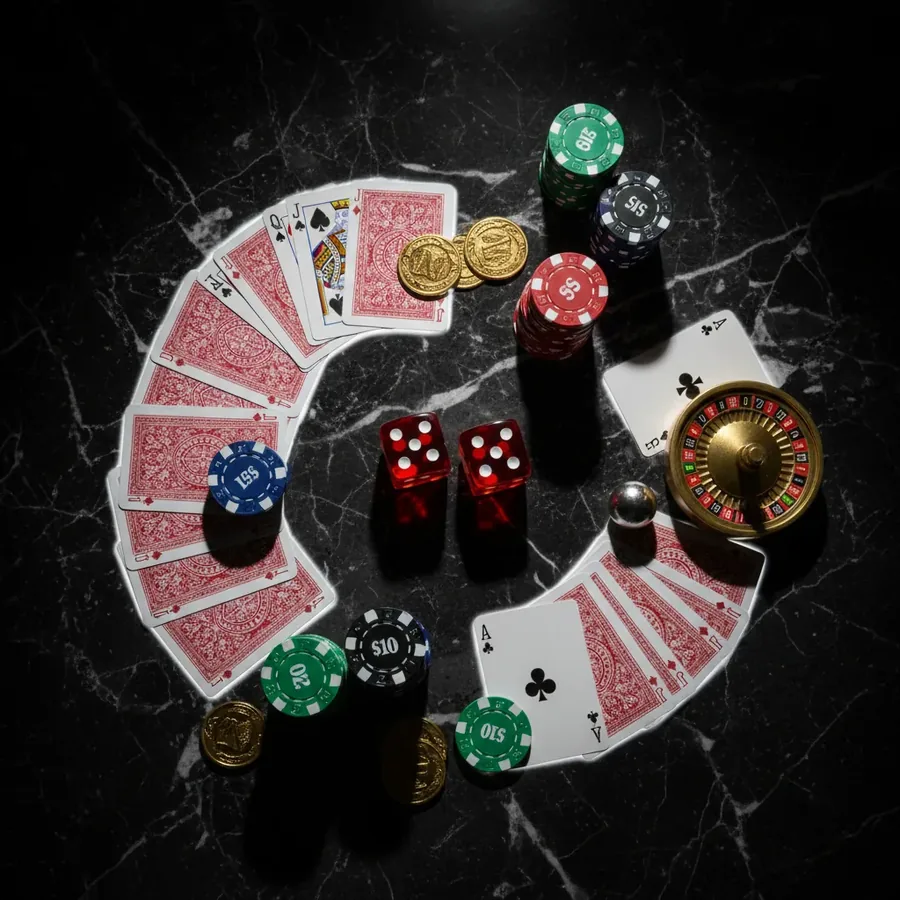
Connection Lost in Table Game: Round Continues Automatically
Table games contribute only 10% toward wagering requirements, meaning every euro wagered counts as merely ten cents against the total turnover target. This low contribution rate forces players to generate significantly higher volume to clear bonuses, especially when playing high-RTP games like European Roulette at 97.30%. The discrepancy between slot contributions and table percentages creates a substantial barrier for users attempting to withdraw bonus funds quickly.
American Roulette features a double zero sector, increasing the house edge to 5.26% and lowering the RTP to 94.74% compared to its European counterpart. This structural difference means that connection issues or automatic round continuations result in faster bankroll depletion due to the higher statistical disadvantage inherent in the 38-sector wheel. Players should be aware that even automated play accumulates losses at an accelerated pace on American variants.
Craps Free Odds bets offer a unique 100.00% RTP on the odds portion itself, providing the only wager in the casino with zero house advantage. However, combining these with Pass Line bets results in a combined house edge of just 0.37%, which is highly efficient for meeting turnover goals despite the 10% contribution cap. Utilizing these specific bets allows for more controlled progression through wagering requirements without exposing the bankroll to excessive variance.
37 vs. 38 Sectors: One Zero Difference
European Roulette utilizes a single zero across 37 sectors, resulting in a consistent 2.70% house edge on all bet types regardless of placement. In contrast, American Roulette introduces a second zero sector, expanding the wheel to 38 numbers and doubling the house edge to 5.26% for identical payout structures. This additional sector fundamentally alters the probability landscape, making European wheels mathematically superior for any player aiming to preserve capital.
Straight bets in European Roulette pay 35:1, covering one of 37 possible outcomes, whereas the same payout on American wheels covers one of 38 sectors. The Five Number Bet on American wheels, covering 0, 00, 1, 2, and 3, carries a particularly harsh 7.89% house edge, making it the worst wager available. Avoiding such traps is crucial, as the extra zero increases the frequency of losses on outside bets like Red/Black from approximately 48.6% to 47.4%.
French Roulette with La Partage rules further improves efficiency by refunding half the stake on even-money bets when the ball lands on zero. This mechanism lowers the house edge to 1.35% for Red/Black and Odd/Even wagers, effectively halving the disadvantage compared to standard European tables. Such rules provide a significant advantage for players navigating bonus terms, as slower loss rates help sustain bankrolls during the required turnover period.
Before sitting down: check table bet limits
Baccarat Player bets offer an 8-deck RTP of 98.76% with a 1.24% house edge, but side bets like Player Pair drastically reduce returns to 89.64%. The Pair side bet pays 11:1 but carries a massive 10.36% house edge, making it statistically inferior to the main game despite the attractive payout multiplier. Players must verify table limits to ensure they can place optimal bets without being forced into high-edge side wagers due to minimum constraints.
Sic Bo Small and Big bets under Atlantic City rules provide a 97.22% RTP with a 2.78% house edge, representing the best options in the game. These wagers cover sums of 4-10 (Small) or 11-17 (Big), losing only on triples, which keeps the disadvantage relatively low compared to other prop bets. Checking table limits ensures players can capitalize on these efficient wagers without hitting maximum caps that might force them onto less favorable propositions.
Casino Hold'em Ante bets face a 2.16% house edge, though the actual risk element drops to 0.82% when accounting for the average call size of 2.64 times the ante. This distinction highlights why understanding bet limits is critical; small ante bets might seem cheap, but the subsequent call requirement significantly impacts total exposure. Players should review these limits to align their betting strategy with the bonus turnover requirements, ensuring they do not exceed maximum win caps inadvertently.
Martingale Fails After 8 Rounds at Table Limit
Roulette European bets rely on constant edges where each spin is independent, rendering progression systems like Martingale ineffective against the 2.70% house edge. A sequence of eight consecutive losses on a base bet of 10 € requires a ninth bet of 2,560 €, which likely exceeds typical table maximums. This mathematical reality prevents recovery of previous losses, leaving players with a substantial deficit that cannot be resolved by increasing stakes alone.
Baccarat Banker bets feature a 1.24% house edge after commission, offering slightly better odds than Player bets but still subject to inevitable losing streaks. The standard deviation of 0.95 indicates moderate volatility, meaning extended losing runs occur frequently enough to break any doubling strategy before reaching table limits. Relying on such systems ignores the fundamental principle that no betting pattern can alter the negative expected value of each individual hand.
Craps Pass Line bets combined with 3-4-5x odds achieve a low combined house edge of 0.37%, but variance remains high with a standard deviation of 0.99 per roll. Even with favorable odds, a string of eight losses would require exponential bet increases that quickly become unmanageable within standard table limits. Players must recognize that mathematical expectations govern long-term results, and short-term progression strategies fail to overcome the built-in house advantage.
Game categories at a glance
| Category | Examples | Stakes From | Highlight |
|---|---|---|---|
| Slots | Big Bamboo, Gates of Olympus, Sticky Bandits Trail of Blood | 0,10 EUR | thousands of titles |
| Table games | Roulette, Blackjack, Baccarat | 0,50 EUR | classic rules |
| Live casino | Dream Catcher, Crazy Time | 0,20 EUR | real dealers |
| Jackpot games | Mega Moolah, Divine Fortune, Age of the Gods | 0,20 EUR | progressive pools |
| Instant games | Aviator, Plinko, Mines | 0,10 EUR | fast rounds |
| Video poker | Jacks or Better, Deuces Wild | 0,25 EUR | strategy based |
Plein Pays 35:1, Cheval Pays 17:1
American Roulette Straight bets pay 35:1 on a wheel with 38 sectors. This payout structure results in a house edge of 5.26% due to the double zero. Players risking €10 lose an average of €0.53 per spin over time.
European Roulette offers identical payouts but reduces the house edge to 2.70%. The single zero creates only 37 sectors for the same prize amounts. A €10 stake here loses roughly €0.27 per spin instead of €0.53.
The difference between these two variants equals €0.26 lost per €10 wagered. French Roulette further lowers this to 1.35% using La Partage rules. Selecting the correct table variant directly impacts long-term bankroll preservation.
French Roulette: La Partage Lowers to 1.35 Percent
La Partage applies to even money bets when the ball lands on zero. Half of the original stake is returned to the player immediately. This rule effectively halves the standard house edge on these specific wagers.
The house edge drops from 2.70% to exactly 1.35% under this condition. Only Red/Black, Odd/Even, and High/Low qualify for this refund mechanism. Inside bets like Straight or Corner receive no partial return.
A player betting €100 on Red faces a theoretical loss of only €1.35 per spin. Without this rule, the same bet would cost €2.70 on average. This distinction makes French wheels superior for conservative bankroll management.
La Partage applies only to even money bets
Inside bets such as Split or Street do not trigger the La Partage refund. These wagers lose their entire value if zero appears on the wheel. The 35:1 payout for Straight bets remains unaffected by the rule.
Even money bets cover categories like Red/Black or Dozen wagers at 2:1. These specific outcomes share the unique benefit of halving losses on zero. Any other position on the layout forfeits the entire stake completely.
This limitation restricts the advantage to outside positions only. Players utilizing complex inside combinations gain no protection from the house edge. Strategic focus should remain on qualifying bets to minimize variance.
When to Surrender 16 vs 10?
Late Surrender allows players to forfeit half their bet after the dealer checks for blackjack. This option is available in Liberal Vegas Strip games offering a 0.28% house edge. It provides a crucial escape route against strong dealer upcards.
Standard rules often omit surrender, increasing the house edge significantly compared to liberal variants. Without this feature, players must hit or stand on difficult hands like 16 against 10. The mathematical disadvantage grows without this safety valve.
Using surrender correctly on 16 versus a dealer ten saves approximately 0.5% in expected loss. This specific scenario represents the most common application of the rule. Deviating from basic strategy here incurs unnecessary financial damage.
Double Down: double bet, only one card
Doubling Down permits players to double their initial wager for exactly one additional card. This move is mandatory in some strict variants but optional in most modern games. It maximizes profit potential on favorable starting hands.
Liberal rules allow doubling on any two-card total, including soft hands like Ace-2. Some tables permit resplitting and doubling after splitting, further enhancing strategic flexibility. These conditions contribute to the low 0.46% house edge on six-deck games.
Players should double down on 11 against any dealer upcard to maximize expected value. Doubling 10 against a dealer nine also yields positive returns under optimal strategy. Restricting this action unnecessarily increases the casino's long-term advantage.
Straight, Split, and Corner in direct comparison
The Straight bet on European Roulette pays 35:1 for covering a single number out of 37 sectors. This payout structure creates a house edge of 2.70 percent across all wtypes on this wheel variant. Players risking funds here face a higher mathematical disadvantage than those placing safer bets. The return to player percentage remains fixed at 97.30 percent regardless of the stake size.
A Split wager covers two adjacent numbers and offers a reduced payout ratio of 17:1. This lower multiplier reflects the doubled probability of winning compared to a single number selection. The underlying house edge stays constant at 2.70 percent for this specific table game configuration. Consequently, the expected loss per unit wagered does not change despite the different risk profile.
Corner bets cover four numbers in a square arrangement with an 8:1 payout coefficient. This option provides a middle ground between the high variance of straight bets and low variance column bets. The 2.70 percent house edge applies uniformly to this internal section of the roulette layout. Players must account for this consistent margin when calculating potential returns on their bankroll.
Game Shows: sectors, multipliers, and bet ranges
The American Roulette Five Number Bet covers five specific sectors including zero and double zero. This unique wager pays 6:1 but carries a significantly inflated house edge of 7.89 percent. It stands as the only bet on the American wheel with such a high mathematical disadvantage. No equivalent high-edge option exists on the European or French roulette variants available elsewhere.
European Roulette employs a single zero wheel with 37 total sectors for standard betting options. The house edge for all bets on this wheel is uniformly set at 2.70 percent. This consistency arises because payouts are calculated based on 36 numbers rather than the actual 37. Players cannot find any sector on this wheel that offers better than the standard mathematical expectation.
French Roulette introduces La Partage rules which reduce the house edge on even money bets. This rule refunds half the stake on zero, lowering the edge from 2.70 percent to 1.35 percent. The benefit applies strictly to outside bets like Red/Black or Odd/Even columns. Internal bets such as Corners or Streets remain unaffected by this favorable condition.
Four Blackjack Hand Decisions at a Glance
Liberal Vegas Strip Blackjack offers a minimal house edge of 0.28 percent under optimal play. This favorable rate requires specific rules like S17, DAS, Resplit, and Late Surrender to be active. The RTP for this variant reaches 99.72 percent, making it one of the most player-friendly options. Standard deviation remains low at 1.15 due to these liberal rule adjustments.
Standard six-deck Blackjack with S17 and DAS allows doubling on any two cards without splitting restrictions. This configuration results in a slightly higher house edge of 0.46 percent compared to more liberal versions. The RTP settles at 99.54 percent when players adhere strictly to basic strategy guidelines. Insurance bets remain separate side wagers with a much worse 7.47 percent house edge.
Single deck classical Blackjack provides the lowest theoretical house edge of 0.15 percent among common variants. This advantage stems from the reduced deck count which improves card counting effectiveness and odds. The RTP achieves 99.85 percent assuming perfect basic strategy execution by the participant. Casinos often offset this benefit by reducing blackjack payouts from 3:2 to 6:5.
Insurance represents a side bet offered when the dealer shows an Ace, paying 2:1 if they have blackjack. This wager carries a substantial house edge of 7.47 percent for six to eight deck games. Basic strategy dictates always rejecting insurance unless the player counts cards with a true count above three. The RTP for this specific side bet drops to 92.53 percent for average players.
Corner Pays 8:1, Dozen Only 2:1
The Corner bet in roulette covers four numbers and returns 8:1 upon a successful outcome. This payout corresponds to a probability of approximately 10.81 percent on a single-zero wheel. The house retains a steady 2.70 percent margin on this specific type of internal wager. Players comparing this to dozen bets will notice the higher risk-reward ratio inherent in corner placements.
Dozen bets cover twelve numbers each and offer a flat 2:1 payout for every winning spin. This lower multiplier aligns with the higher probability of hitting one of the twelve selected slots. The house edge remains unchanged at 2.70 percent despite the more frequent winning frequency. This consistency ensures that long-term expectations do not favor the player on either bet type.
Comparing the Corner and Dozen bets highlights the trade-off between volatility and hit frequency. The Corner pays 8:1 but wins less often, while the Dozen pays 2:1 but hits more frequently. Both wagers contribute equally to the casino's 2.70 percent overall house edge on European wheels. Strategic players might choose based on bankroll management preferences rather than expected value differences.
Minimum deposit 20 EUR, table games count 10 percent
Malina Casino requires a minimum initial deposit of 20 EUR to activate bonus eligibility for new accounts. This threshold ensures sufficient funding before applying promotional credits like the 300 percent welcome offer. Players must meet this financial entry point to access the up to 2,000 EUR bonus package. Deposits below this amount do not qualify for the associated free spins or match bonuses.
Table games contribute only 10 percent toward the wagering requirements of the welcome bonus package. This low contribution rate means players must wager ten times more on tables than on slots to clear conditions. For instance, a 20 EUR table bet counts as just 2 EUR toward the turnover target. Slots, contributing 100 percent, offer a much faster path to unlocking withdrawable funds.
The disparity between slot and table game contributions significantly impacts bonus clearance strategies. A player wagering 100 EUR on blackjack effectively reduces the requirement by only 10 EUR. In contrast, the same amount on slots would fully satisfy the 10 EUR portion of the goal. This structure incentivizes playing high-contribution games to meet the turnover criteria efficiently.
Contact
Live - online chat
Banking









Providers












Malina Casino 2026